

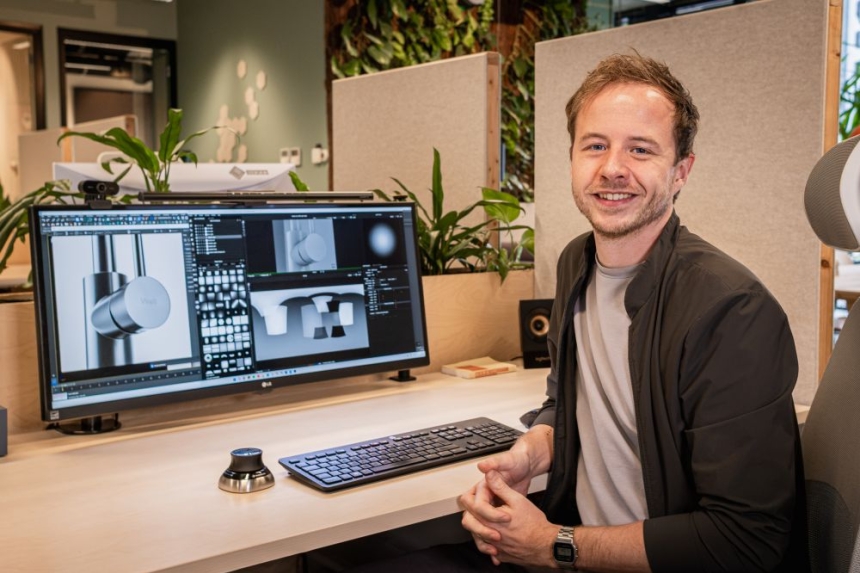
Sam Rikken, Polyvorm
Sam Rikken, founder of Polyvorm, has loved photography since childhood. At 12, he spent a whole summer washing cars and mowing lawns to buy his first DSLR, and it went everywhere with him. But when he looked into studying photography, it wasn't what he wanted. The course leaned towards portraits, events and location work, while his interests were still life, nature and street photography.
He chose industrial design instead, which brought together his love of well-designed products and his technical side. Then, in a single one-hour lesson on rendering in SolidWorks, something clicked.
"I realized that I could take 'photographs' of the 3D models I make in my study. My three big passions came together: well-designed products, computers and photography."
Sam began rendering every project he worked on at university. Companies connected to the school noticed, and started asking him to do the same for their products. He started his business while still studying and has never done anything else since.
Much of Polyvorm's work happens at the design stage, before a physical product exists. There's no sample to use as a reference, only a client's vision and a CAD file. Sam sees the challenge as prediction more than realism.
"The trick is not to make it look real. The real challenge lies in predicting how the product will turn out from the factory and matching that."
How will the folds of a cushion fall? How translucent will an opaque plastic part be? How much will a pressed product deform? Getting these details right in advance avoids re-rendering everything once the client holds the real product. Sam collects reference images of similar products and builds a guide for each part with the client, and says his industrial design background helps. Most of the time the prediction is right. Occasionally, a part turns out differently from what they imagined, and it gets redone.
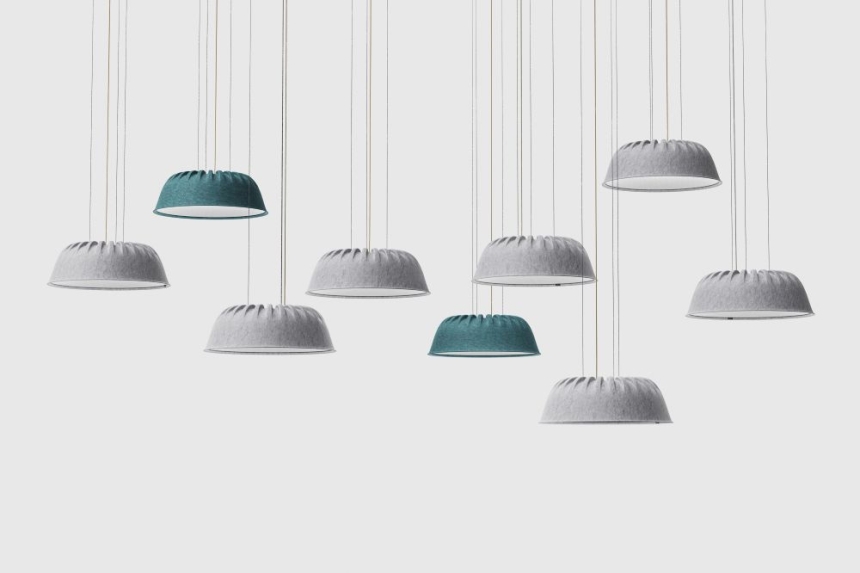
Ask Sam what separates a good product render from a great one, and he'll tell you it comes down to two jobs that should never be confused.
"The details make it realistic, the lighting makes it convincing."
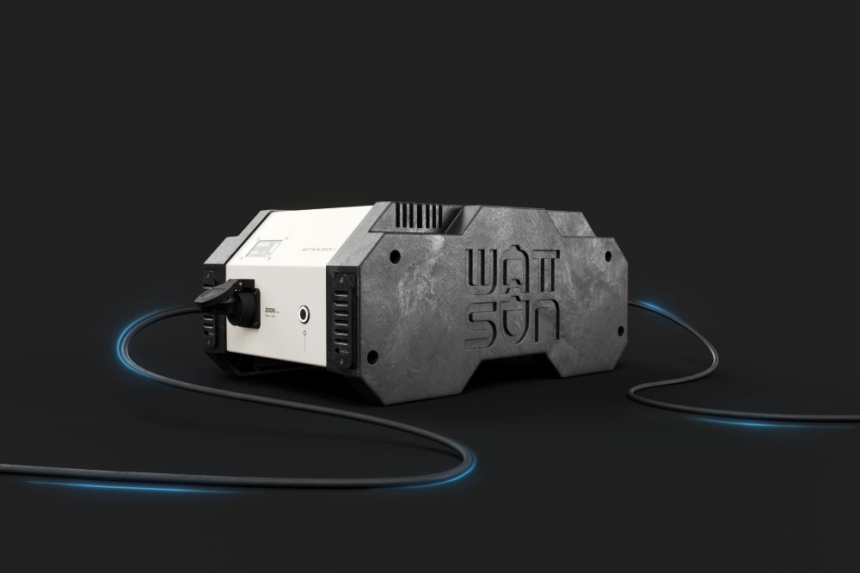
The first job happens in the model. Welding seams, folds and chamfers are what make a product look like a real, manufactured object. Without those small imperfections and construction marks, a product will never feel complete, no matter how it's presented.
The second job belongs to lighting. Once the details are in place, light shows the product at its best. It catches the edge of a chamfer, pools in a fold, and throws a soft shadow beside a weld, bringing out everything you built earlier.
"It's not the job of the lighting setup to make something realistic. That should have already been done."
Sam is clear that realism doesn't depend on lighting. A product with convincing real-life details can still look realistic under ugly lighting. What lighting adds is the final step: it completes the image, shows the product at its best, and brings out those details by catching highlights and casting shadows.
"They both serve a different role in the process, but together they create an amazing image."
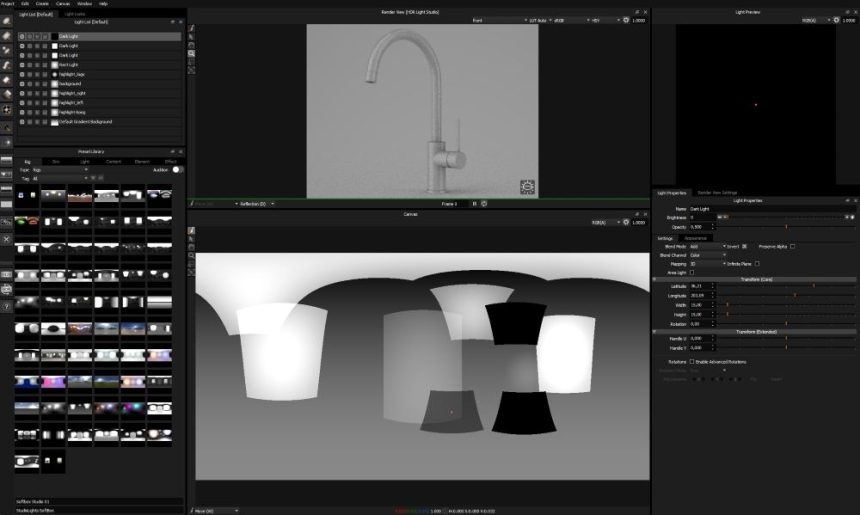
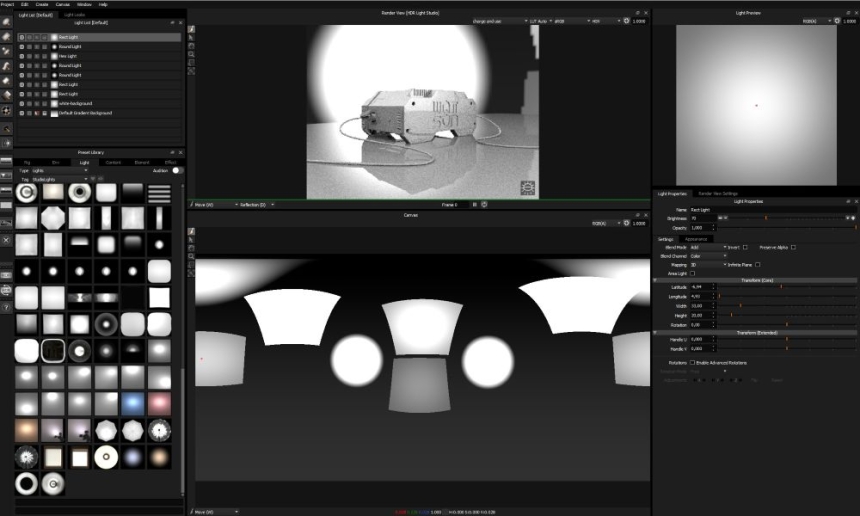
"We have been using HDR Light Studio for every studio shot we've made over the last ten years, but we don't use it for every shot."
It sounds like a contradiction, but Sam means that every Polyvorm studio shot is lit by an HDRI created in HDR Light Studio, while the team never builds custom lighting for individual shots. Instead, they create one setup per client and use it for all of that client's products.
"We like systems and continuity."
Each setup is designed together with the client. They look at reference images and settle on the lighting style, the amount of shadow and the level of contrast that matches how the brand wants to show its products. The payoff is consistency: every product in a catalogue is lit the same way, which makes for a clear, pleasant portfolio.
It also makes the workflow highly repeatable. With regular clients, the team sometimes goes months without opening HDR Light Studio. When a new client arrives, the process starts over: they sit down together, look at reference images, and find the lighting style that fits the brand they are building.
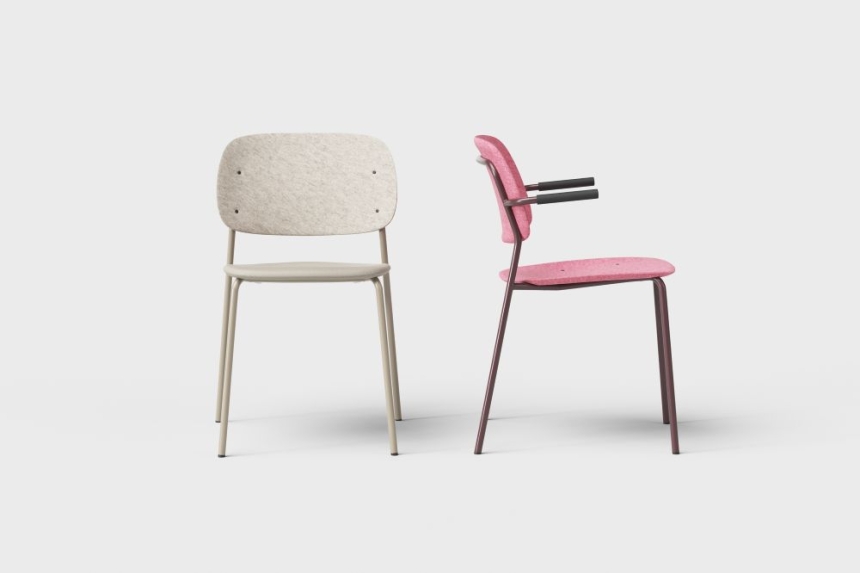
Because every scene, file and camera angle is saved, Polyvorm can go back to a project at any time. The most common request is a client adding new colour options weeks or months after the original shoot. The team replicates the exact images with the new colours, so the website looks as though everything was created in one go. Sam says this is less about solving a problem than skipping steps, since there is no studio to rebuild.
It also helps when an editorial request doesn't match the existing shots. In one example, a client needed images for an article about chair armrests, but most existing shots showed chairs without them. Polyvorm picked the best-fitting shots, swapped in the armrest version of the chair and re-rendered.
"It does not happen often, but for me these are real advantages that cannot be replicated in real photography."
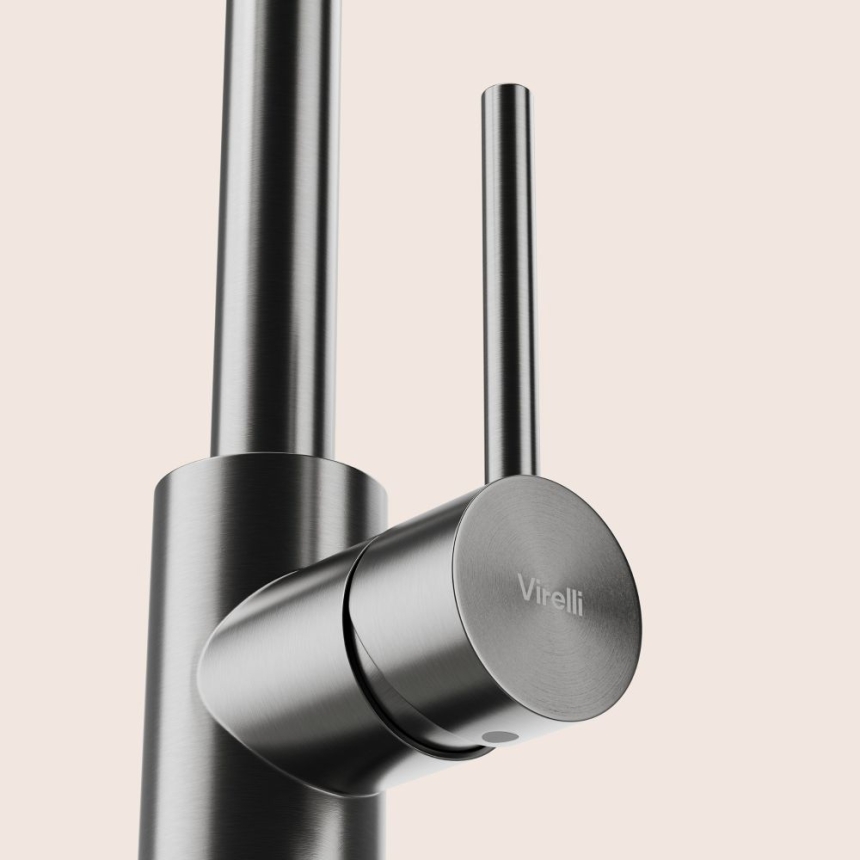
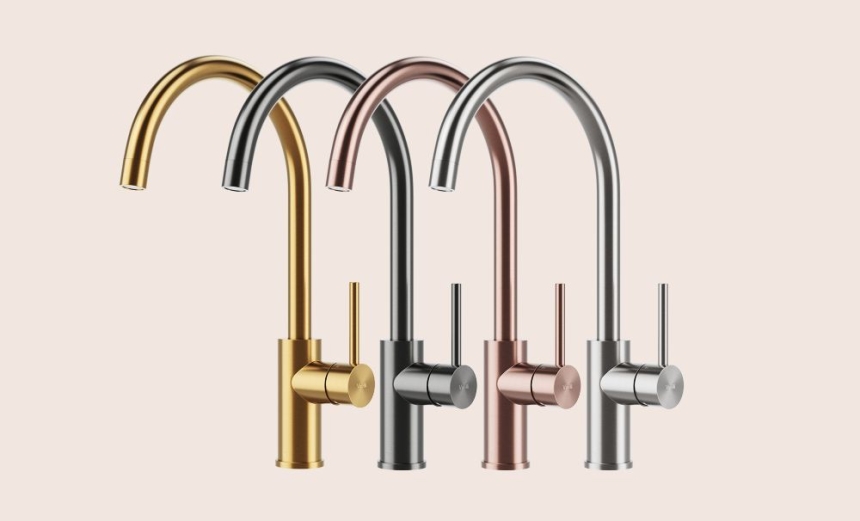
Ask Sam about a project he's especially proud of and his answer is metal.
"With other materials, lighting is mostly used to define shapes with lighter and darker areas. With metals, it's lighting that literally makes it shine."
On a metal product, light does far more than add shading: using different types of lights, you paint the whole shape and colour of the product. For Sam, a self-described lighting enthusiast, working with metal was the ultimate goal, and it had been on his list for many years.
Last year he finally ticked it off, collaborating with Virelli, a design kitchen faucet label. For its all-metal taps and sinks, the team built custom studios in HDR Light Studio, surrounding each product with light so its shapes are easy to read while bringing out every detail.
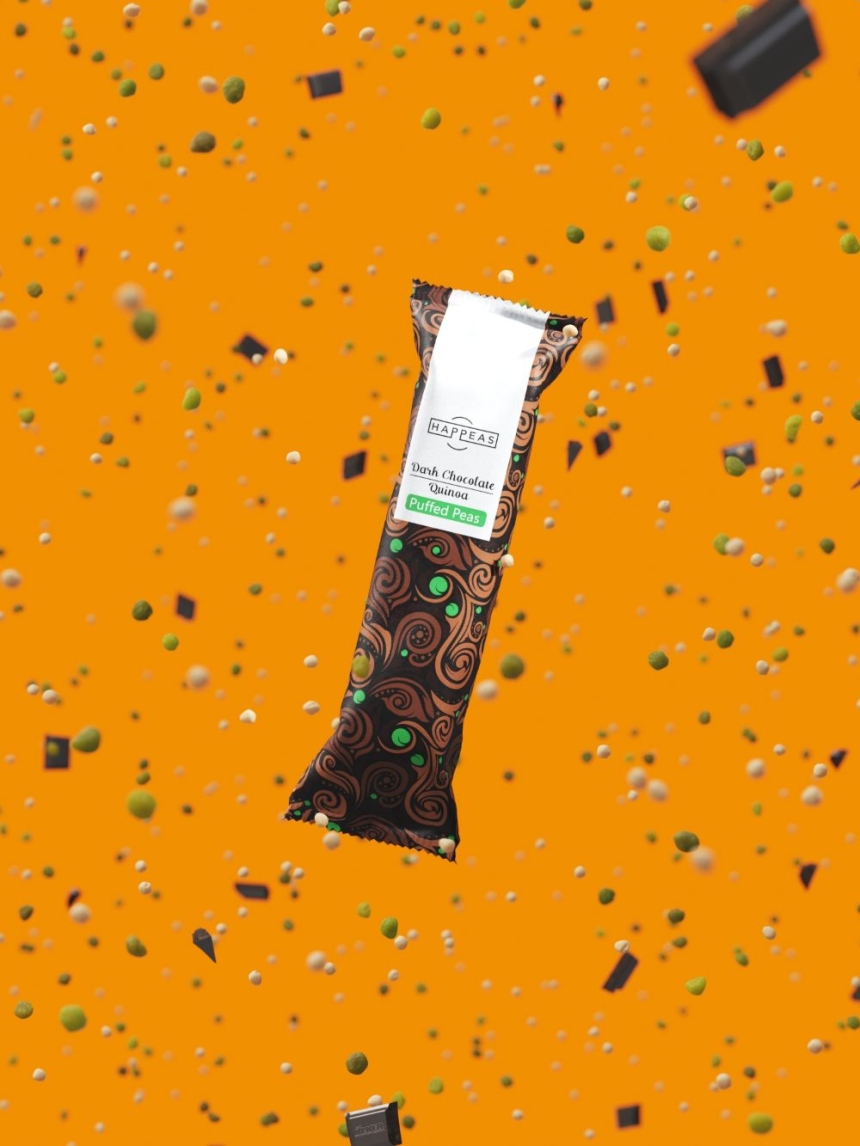
After a decade in the industry, Sam's lesson is that small imperfections matter most.
"The devil is in the details. That stays true after 10 years."
Little welds, chairs not perfectly aligned in an interior, and slight colour differences between products all add realism. The brain notices when they're missing, sensing that something is "too perfect" without knowing why. His practical tip is one he still reminds himself of.
"We are really bad at remembering how something looks. Don't try to create something from memory. Collect as many reference images as possible, so you can compare your work with them."
Polyvorm's story shows how a repeatable lighting system can bring consistency to every product in a catalogue, while still leaving room for the small details that make an image convincing. If you work in product visualisation, particularly if you're producing images for the same clients again and again, setting up one HDR Light Studio lighting system per brand could save you time and keep your work looking like part of one family. A huge thank you to Sam Rikken for sharing his experience and insights with us. To see more of Polyvorm's work, visit polyvorm.nl.

This entry was posted in Customer Stories and tagged 3D Software: 3ds Max, Renderer: Corona.